

Moldova Approves EU-Aligned REACH Restrictions and CLP Rules
Reference source : Moldovan Ministry of Environment
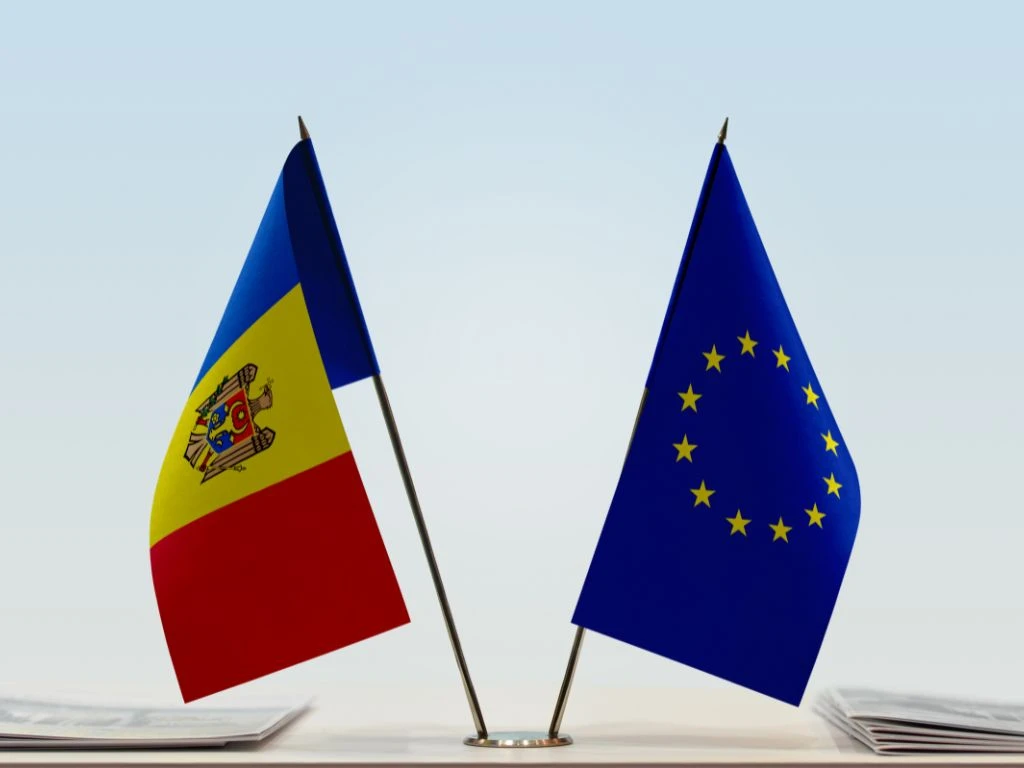
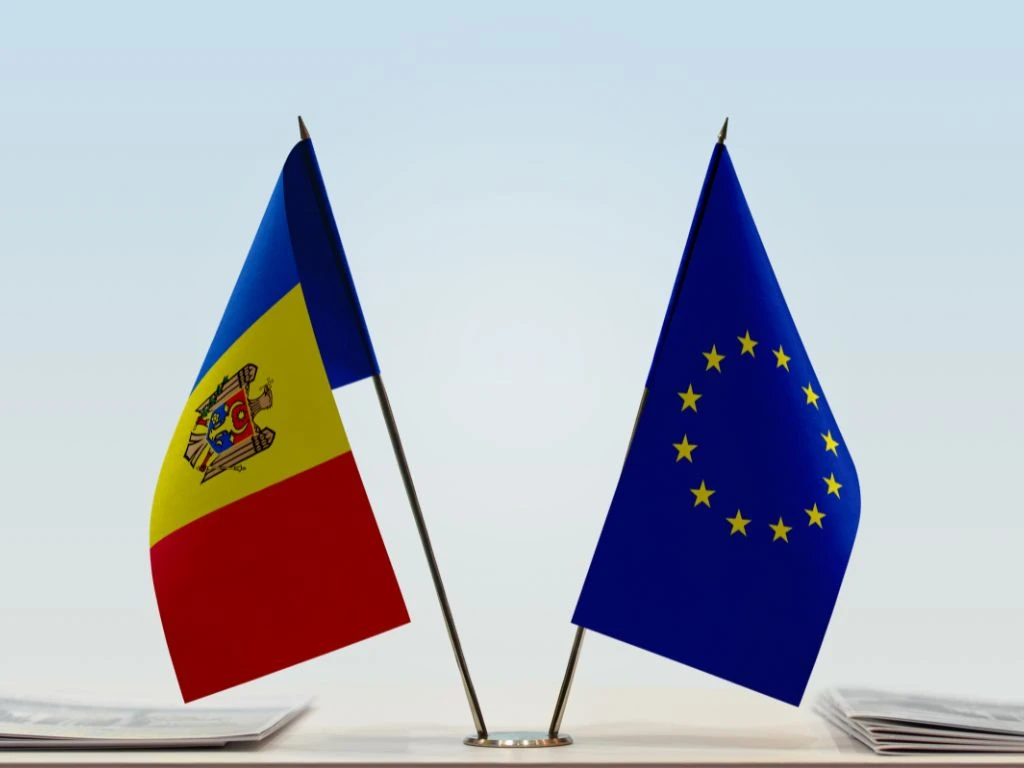
On 19 August 2026, the Moldovan Government approved two significant pieces of chemicals legislation, introducing a national list aligned with Annex XVII of the EU REACH and new requirements based on the EU Classification, Labelling and Packaging (CLP) Regulation.
These measures are part of Moldova’s efforts to align its national legislation with EU requirements as part of the country’s EU accession process. The new legislation introduces restrictions on substances, mixtures and articles, as well as GHS-based requirements for hazard classification, labelling and packaging.
Restrictions Aligned with REACH Annex XVII
The Government approved a national list of prohibited and restricted chemical substances and mixtures. This list was adopted under Article 17(3) of Law No. 277/2018 on chemical substances. This transposes Annex XVII of Regulation (EC) No 1907/2006 (REACH), as amended most recently by Regulation (EU) 2026/859 concerning 2,4-dinitrotoluene in articles.
Substances covered by the list may only be manufactured, placed on the market or used in accordance with the conditions specified for the relevant entry. Depending on the substance, these may include concentration limits, restrictions on particular uses, labelling requirements and exemptions.
The restrictions apply to substances on their own, in mixtures and, where specified, in articles. They affect chemicals and products used in sectors including:
- Plastics and rubber
- Textiles and footwear
- Toys
- Electrical and electronic equipment
- Automotive products
- Furniture and construction materials
- Chemical manufacturing
The Moldovan Ministry of Environment highlighted several substances including lead, cadmium, mercury, formaldehyde, certain phthalates, bisphenols and dyes. According to the Ministry, these substances have already been assessed at EU level, and the restrictions are intended to reduce risks to human health and the environment while helping Moldovan businesses prepare for EU market requirements.
The decision will enter into force twelve months after its publication in the Official Gazette of Moldova. Within nine months of publication, the Ministry of Environment must develop and approve harmonised standards relating to the list. The Environment Agency will be responsible for monitoring and implementing the list, while the Environmental Protection Inspectorate will oversee enforcement.
New Classification and Labelling Framework
The Government also approved a new Regulation on the Classification, Labelling and Packaging of Substances and Mixtures. This was adopted under Article 3(6)(3) of Law No. 277/2018. This regulation partially transposes EU CLP, including the harmonised classifications introduced through the 23rd Adaptation to Technical Progress. As EU CLP implements the United Nations Globally Harmonized System of Classification and Labelling of Chemicals (GHS), the Moldovan regulation introduces GHS-based classification criteria and hazard communication elements, including pictograms, signal words and hazard and precautionary statements.
Manufacturers, importers and downstream users must classify substances and mixtures before placing them on the Moldovan market. Substances and mixtures that meet the criteria for physical, health or environmental hazards must be assigned the relevant hazard classifications. Where a substance is covered by a harmonised classification in Part 2 of Annex No. 6 to the Moldovan regulation, that classification must be applied. This annex reflects the harmonised classifications contained in Annex VI to EU CLP.
Suppliers of hazardous substances and mixtures must ensure that their products are labelled and packaged in accordance with the regulation before placing them on the market.
Labels must be written in Romanian and include the following, where applicable:
- Supplier name, address and telephone number
- Product identification information
- Hazard pictograms
- Signal words
- Hazard statements
- Precautionary statements
- Supplementary information
Additional languages may be used, provided that the same information appears in each one.
The regulation also introduces provisions for digital labelling. The required information must generally remain available on a physical label, although specified elements may be provided exclusively in digital form. This digital information must be made available free of charge and without the need for registration or a password, and it must remain accessible for at least ten years.
Packaging for hazardous substances and mixtures must prevent leakage and withstand normal handling. The materials and closures must not be damaged by the contents or react with them to form dangerous compounds. Packaging supplied to the general public must not resemble food, feed, cosmetics or medicinal products, or be designed in a that might attract children. Child-resistant closures and tactile danger warnings will be required where the relevant conditions are met.
Phased Implementation of the CLP Regulation
Government Decision No. 455 approving the Regulation on the Classification, Labelling and Packaging of Substances and Mixtures was published in Moldova’s Official Gazette on 8 September 2026. The Regulation will generally enter into force on 8 September 2027.
The core classification, labelling and packaging requirements will apply to substances from 8 September 2028 and to mixtures from 8 September 2030. Obligations concerning the submission of health emergency-response information will also apply from 8 September 2030.