


Moldova Advances REACH and CLP Amendments to Chemicals Law (Updated)
Reference source : Moldovan Parliament
Update 17 September 2026: Moldova’s Parliament has adopted the amendments to Law No. 277/2018 in the second reading. The legislation must now be promulgated and officially published before its entry into force can be confirmed.
Original News:
Moldova is proposing amendments to Law No. 277/2018 on chemical substances to strengthen the country’s chemical safety framework and introduce additional provisions derived from the EU REACH and CLP Regulations. The bill was approved by the Government on 12 August 2026 and passed its first parliamentary reading on 25 August. It must still be examined in a second reading before it can be adopted.
Law No. 277/2018 already partially implements several EU chemicals legislation provisions. The proposed amendments would address gaps identified during a review of Moldovan legislation, bringing national requirements closer to those applied in the European Union.
Supply Chain and Safety Data Requirements
The bill would introduce more detailed responsibilities for manufacturers, importers, distributors and downstream users. These include requirements governing the communication of information along the supply chain, as well as the preparation and use of chemical safety assessments, exposure scenarios and safety data sheets.
Downstream users would be able to inform their suppliers about how they use a substance, enabling the use to be considered in the supplier’s chemical safety assessment. They would also be required to identify and implement suitable risk management measures based on safety data sheets, their own chemical safety assessments, or other information received from suppliers.
Manufacturers, importers, downstream users and distributors would be required to retain all the information needed to demonstrate compliance for at least ten years after the last time they manufactured, imported, supplied or used a substance or mixture. Suppliers would face a corresponding ten-year record-keeping requirement for information used for classification and labelling.
CLP Responsibilities
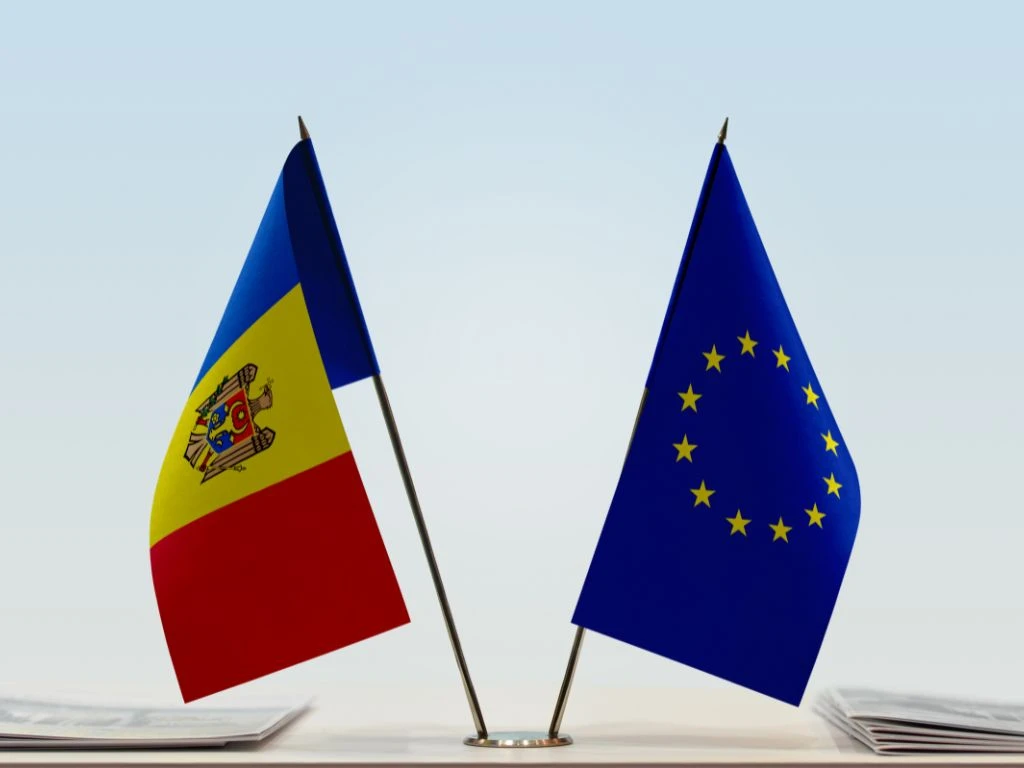
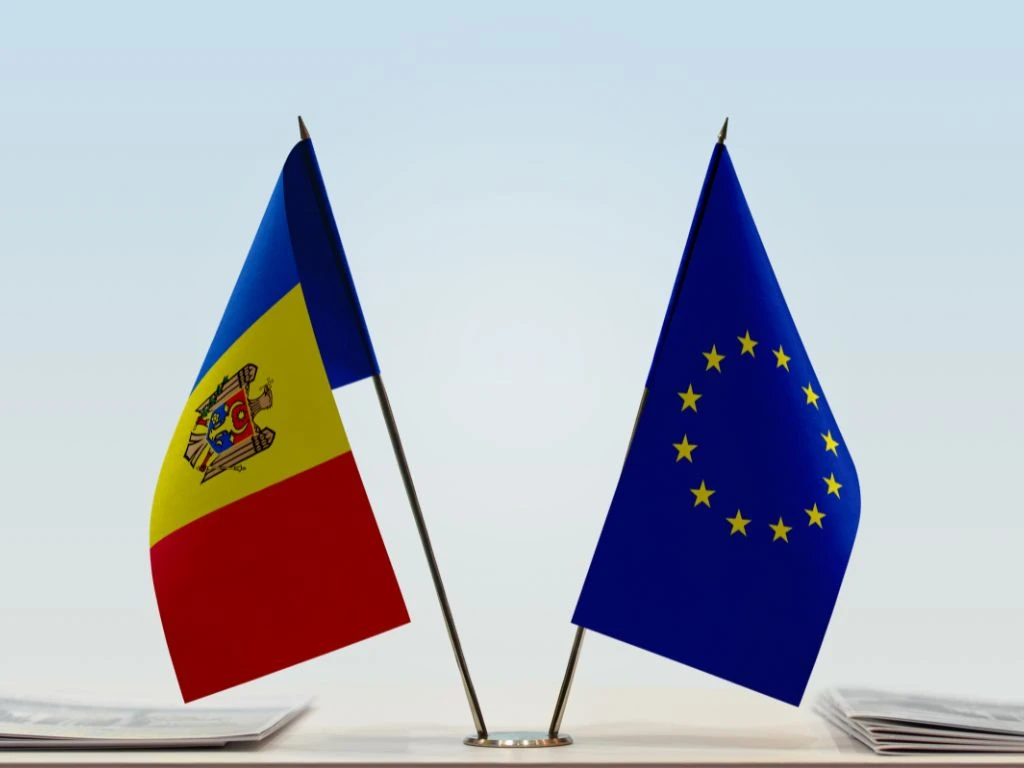
The proposal would also establish the necessary responsibilities to support Moldova’s new Regulation on the Classification, Labelling and Packaging of Substances and Mixtures, which was approved separately through Government Decision No. 455 of 19 August 2026.
Before placing substances or mixtures on the market, manufacturers, importers and downstream users would have to classify them under the new Regulation. Suppliers would be responsible for ensuring that hazardous products are correctly labelled and packaged.
Importers and downstream users placing certain hazardous mixtures on the market would also have to submit health emergency-response information to the National Agency for Public Health. This obligation also would apply to distributors relabelling a mixture or changing its brand, unless the required information has already been submitted.
Chemical Authorisations
The bill would revise Moldova’s system of authorisations for chemical products. The Government would be required to approve and maintain a list of substances that pose a significant risk to human health or the environment, taking into account changes made at EU level.
Authorisations for these substances would remain valid for five years. Under the proposed system, a simplified authorisation would be issued within ten days free of charge, whereas the standard procedure could take up to nine months and carry a fee of MDL 5,000.
The proposal would also remove several existing permits that are not supported by equivalent EU requirements or have not become operational because no responsible authority has been designated.
Proposed Entry into Force
If adopted, the amending law would generally enter into force nine months after publication in Moldova’s Official Gazette. As the bill has currently only passed its first reading, the final requirements and implementation dates may change during the parliamentary process.
The proposal forms part of Moldova’s ongoing efforts to align its chemicals legislation with EU requirements. It was prepared by the Ministry of Environment under the EU-funded Twinning project on air quality and the environment.