


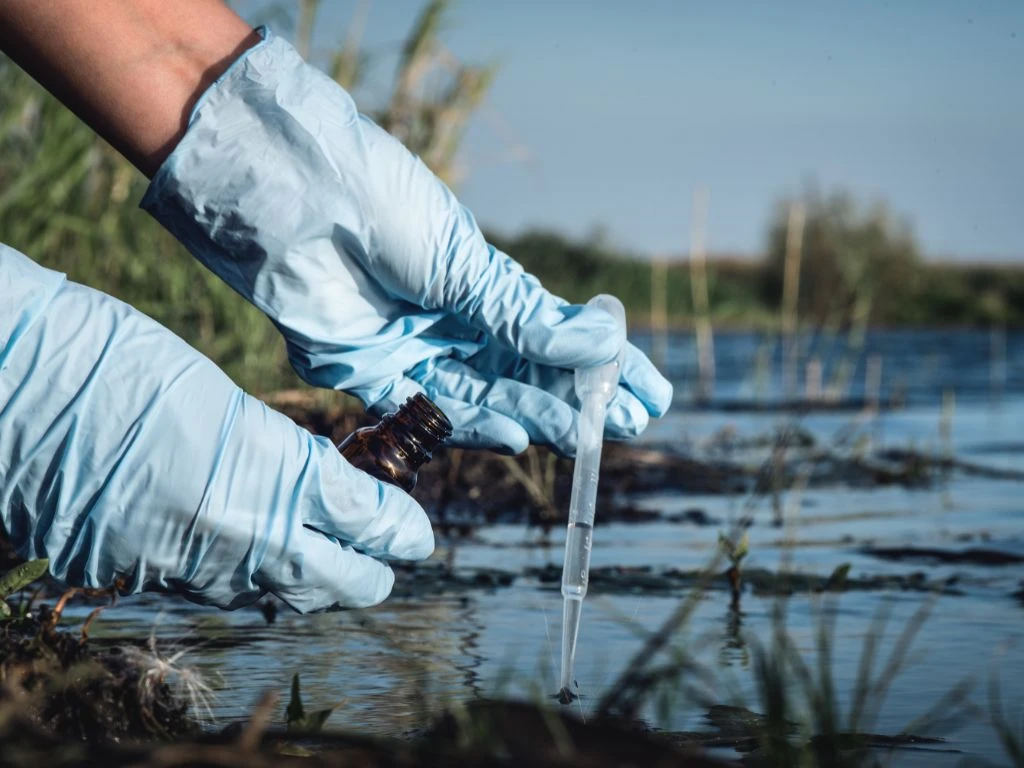
EFSA Lowers Safe Exposure Level for Trifluoroacetic Acid (TFA)
Reference source : EFSA
On 22 July 2026, the European Food Safety Authority (EFSA) published a scientific report revising the consumer health-based guidance values for trifluoroacetic acid (TFA). TFA is a highly persistent degradation product that can be formed from certain PFAS, pesticide active substances, and other fluorinated chemicals.
Following a thorough review of new toxicological evidence, EFSA reduced the acceptable daily intake (ADI) by 72 % and set an acute reference dose (ARfD) for TFA for the first time. The European Commission and EU Member States will take these revised values into account when considering future risk management measures.
Revised Health-Based Guidance Values
The updated health-based guidance values are shown below.
|
Guidance value |
Previous |
New |
|
Acceptable Daily Intake (ADI) |
0.05 mg/kg body weight/day |
0.014 mg/kg body weight/day |
|
Acute Reference Dose (ARfD) |
Not established |
0.07 mg/kg body weight |
The revised values are based on new toxicological evidence reviewed by EFSA. According to the Authority, changes in thyroid hormone levels represented the most sensitive health effect identified during the assessment. EFSA also applied an additional uncertainty factor to address remaining data gaps, including the lack of long-term toxicity data.
Assessment Based on Extensive Data Review
The review was requested by the European Commission and considered 170 studies and position papers, including data from pesticide assessments, REACH submissions and a targeted EFSA call for information.
EFSA noted that further work is ongoing in collaboration with the European Chemicals Agency (ECHA) to evaluate the degradation of PFAS-containing pesticides into TFA and the behaviour of the substance in soil and water.
Related News

Japan: METI Updates CSCL Import Customs Procedures
Read More
ECHA Publishes Final Opinions Recommending TFA Classification as a Reproductive Toxicant
Read More
Japan Proposes CSCL Amendments for PFAS-Containing Firefighting Products
Read More
Sweden Proposes National PFAS Ban for Selected Consumer Products
Read More