


Introduction to Canada REACH Regulation
The Canadian Environmental Protection Act 1999 (CEPA 1999) is the most important chemical control law in Canada. It is a broad act covering a number of subjects, i.e., chemicals, living organisms, marine environment, vehicles, and hazardous wastes. It requires every new substance placed after 1994 to be assessed. It also requires a review and assessment of the substance that were introduced in the Canadian market before 1994.
The Canadian Environmental Protection Act, 1999 (CEPA 1999) specifies that new substances manufactured or imported into Canada above certain thresholds since 1994 must undergo government-led human health and environmental assessments. If a substance is found to have the potential to pose risks to the environment or human health, control measures may be put in place before it is allowed into the Canadian marketplace. If the risks are judged to be too great, or if it is determined that they cannot be adequately managed, the substance may be prohibited in Canada.
Canada’s Domestic Substance List (DSL) forms the basis for distinguishing new substances from the inventory of ‘existing substances’ that were manufactured, imported, or used in Canada on a commercial scale in the mid 1980’s. Substances not on DSL placed in non-DSL list & cannot be manufactured or imported unless information first provided to the government of Canada.
Regulatory Briefing
Canada’s main chemical inventory is the Domestic Substances List (DSL), established under the Canadian Environmental Protection Act (CEPA) 1999 [172]. The DSL has been in place since 1986 and is a searchable database that contains more than 28,000 chemicals that have been manufactured, imported or used in Canada for commercial purposes.
News
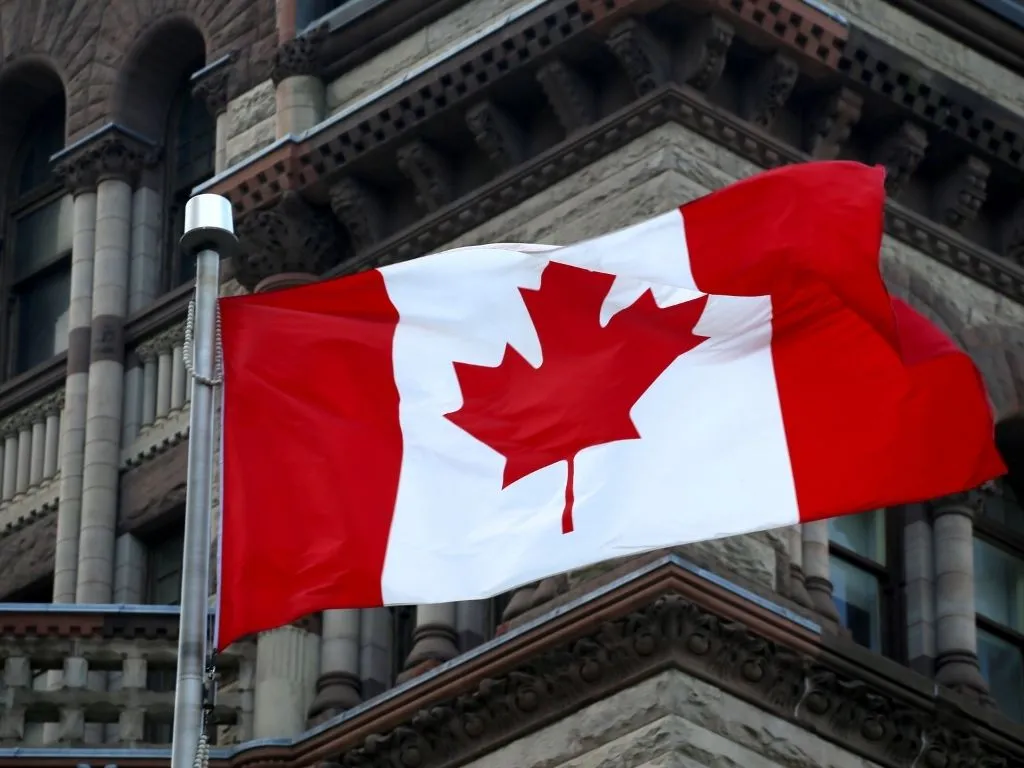
Canadian Consultation on Low Boiling Point Naphthas: Engaging Stakeholders in Regulatory Decision-Making
Health Canada and Environment and Climate Change Canada (ECCC) are currently seeking feedback from industry stakeholders and interested parties on the regulation of low boiling point naphthas (LBPNs). The deadline for...
Read More
Health Canada proposes restrictions on six essential oils used in personal care products
On February 3, 2024, the Canadian government published a draft assessment to restrict the use of six essential oils in personal care products. A notice summarizing the scientific considerations of the...
Read More