

South Korea Introduces Temporary K-REACH Relief for Supply-Crisis Chemicals
Reference source : Ministry of Climate, Energy and Environment (MCEE)
South Korea has begun the early application of a special temporary measure to ease K-REACH registration procedures for designated supply-crisis chemicals. This measure applies from April 10, 2026, and aims to help companies secure critical raw materials more quickly amid supply instability linked to the conflict in the Middle East.
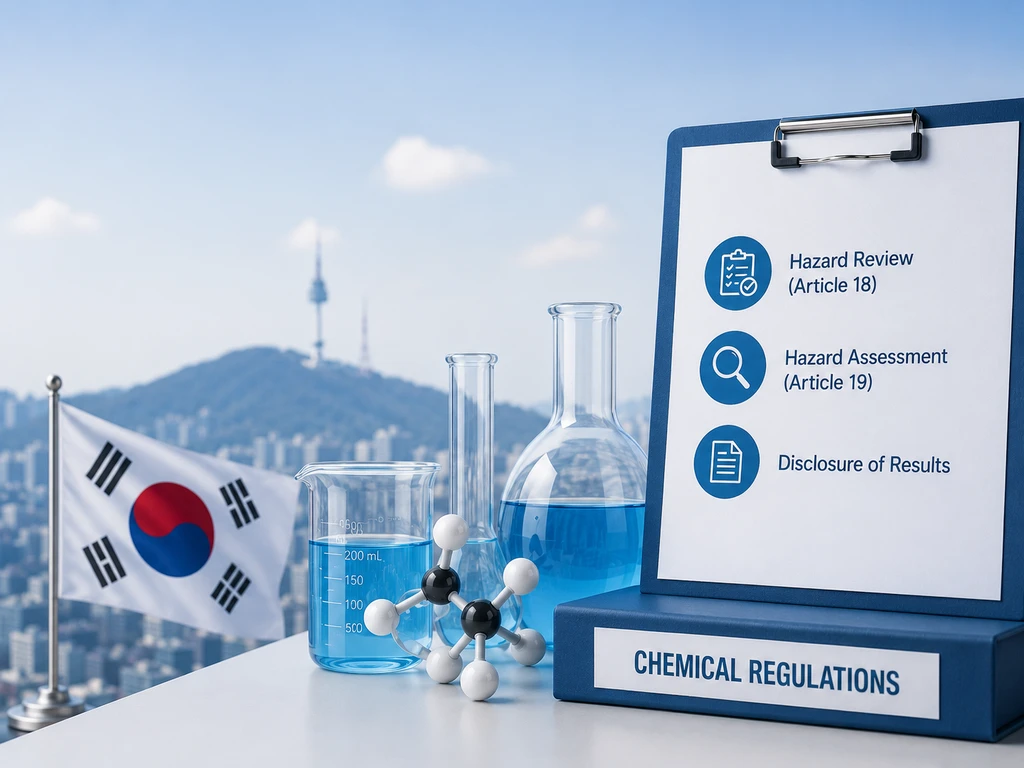
Under the current K-REACH system, companies must complete chemical registration before importing substances into South Korea. However, preparing the required hazard test data usually takes more than three months, limiting companies’ ability to quickly secure alternative, raw materials during supply-chain disruptions
Test Plans May Replace Hazard Test Data
For designated supply-crisis chemicals, companies may submit a test plan instead of full hazard test data at the registration application stage. This temporary relief only applies where the Minister of Trade, Industry and Energy requests special treatment in consultation with the Minister of Climate, Energy and Environment.
Once the registration is completed, companies must submit the required hazard test data later within a specified deadline.
Temporary Measure Available Until 2027
This temporary measure is included in the proposed amendment to the Enforcement Rule of the Act on the Registration and Evaluation of Chemical Substances, commonly known as K-REACH.
The special procedure may apply until December 31, 2027, when chemical imports or supplies are seriously disrupted, or are likely to be disrupted, due to war, international conflict, trade restrictions, or similar circumstances.
Expected Impact on Chemical Supply Chains
The Ministry of Climate, Energy and Environment expects the measure to support industries that rely heavily on imported raw materials, including those in the petrochemical, coating, and plastics sectors.
By allowing companies to complete registration first and submit test data later, South Korea aims to reduce supply chain bottlenecks and assist manufacturers maintain production during critical raw material shortages.