


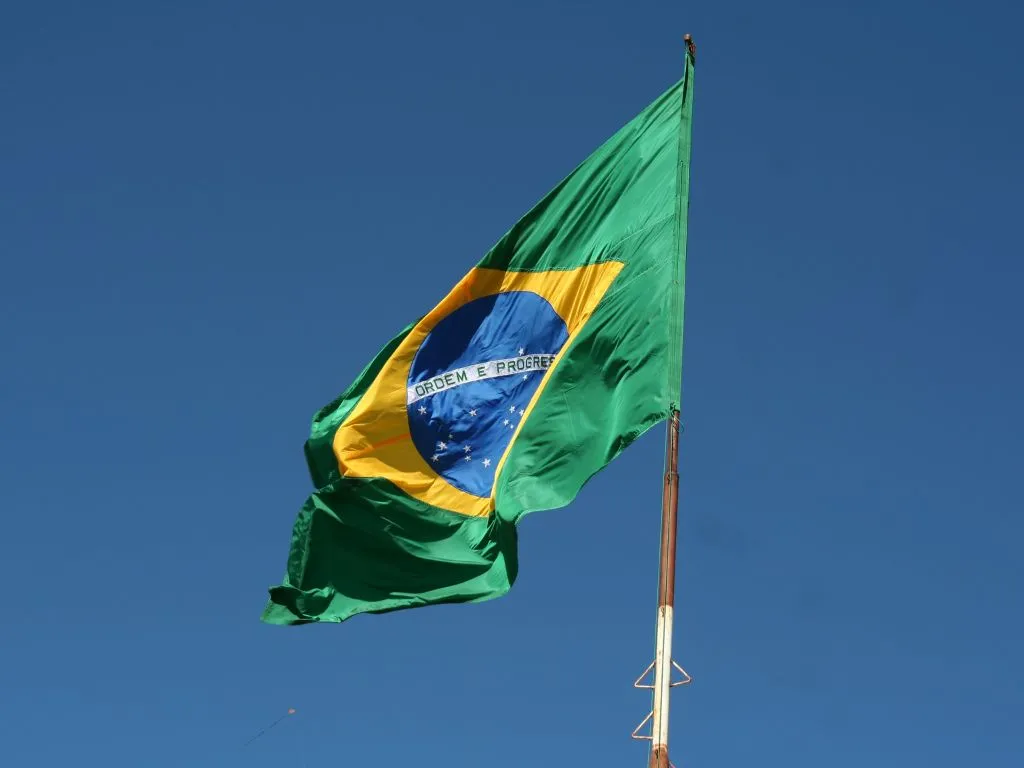
Reference source : CONAMA
On 10 June 2026, Brazil's National Environmental Council (CONAMA) approved a resolution that restricts the use of hazardous substances in electrical and electronic equipment (EEE) marketed in Brazil. The resolution, proposed by the Ministry of the Environment and Climate Change, aims to protect human health and the environment by limiting hazardous substances while introducing new compliance requirements for manufacturers, importers, distributors, and retailers.
Scope
The resolution applies to electrical and electronic equipment operating at nominal voltages not exceeding 1,000 V AC or 1,500 V DC, including wires, cables, and spare parts. Covered products include household appliances, IT and telecommunications equipment, lighting equipment, consumer electronics, photovoltaic modules, electrical tools, toys, medical devices, monitoring and control instruments, veterinary electronic devices, and automatic dispensers.
However, the resolution excludes several product categories, including defense and security equipment, space equipment, large-scale fixed industrial equipment and installations, batteries, implantable medical devices, certain photovoltaic systems, transport vehicles (except self-propelled personal mobility equipment), and equipment intended exclusively for research and development.
Restricted Substances
The resolution limits the concentration of the following hazardous substances in homogeneous materials:
Polybrominated Biphenyls (PBB) – 0.1%
Polybrominated Diphenyl Ethers (PBDE) – 0.1%
Mercury (Hg) – 0.1%
Cadmium (Cd) – 0.01%
Hexavalent Chromium (Cr VI) – 0.1%
Lead (Pb) – 0.1%
DEHP, BBP, DBP, and DIBP – 0.1% each
Compliance Timeline
The resolution introduces phased compliance deadlines:
Immediately upon entry into force for PBB and PBDE.
180 days after entry into force for mercury.
Three years after publication for cadmium, lead, and hexavalent chromium.
Four years after publication for DEHP, BBP, DBP, and DIBP.
Products manufactured or imported before the applicable deadlines and products covered by approved temporary exemptions may continue to be marketed under the conditions specified in the draft.
Temporary Exemptions
The Ministry may grant temporary exemptions where substitution is technically or scientifically impracticable, suitable alternatives cannot ensure product reliability, or substitution would result in greater environmental, health, or safety impacts. Manufacturers and importers may also apply for exemption renewals, amendments, or revocations.
Registration and Self-Declaration
The resolution establishes a National Register of Electrical and Electronic Equipment with Hazardous Substance Restrictions. Manufacturers and importers must register each product, model, or product family before manufacturing or importing products into Brazil and must issue a product-specific self-declaration of conformity. They are responsible for the accuracy of the information submitted under the registration system. The registration system must be implemented within one year after it becomes available.
Key Compliance Obligations
Manufacturers and importers must ensure product compliance, maintain registrations, issue self-declarations of conformity, retain technical documentation in Portuguese for five years after product discontinuation, maintain product traceability, and provide documentation to the authorities upon request. Importers must also obtain the required technical documentation from foreign manufacturers.
Distributors and retailers must verify that products are accompanied by the required self-declaration of conformity before placing them on the market.
Labelling and Enforcement
Products must include identification and traceability information, such as the model or serial number, registered trade name, and manufacturer or importer details. Where direct marking is impracticable, this information can be provided on the packaging, in the accompanying documentation, or through an electronic redirection tool. Products subject to reverse logistics must also display a selective disposal symbol.
Federal environmental authorities may request product samples, review documentation, require laboratory testing, and take enforcement actions against non-compliant products. Manufacturers and importers who identify non-compliant products already on the market must notify the relevant authorities, suspend commercialization, implement corrective actions and, where necessary, recall affected products.
Future Updates
Within 180 days after publication of the resolution, the Ministry will publish the initial exemption list, exemption procedures, and minimum technical documentation requirements. The restricted substance list will be reviewed at least every five years.
Key Takeaway
The CONAMA Resolution establishes Brazil's national framework for restricting hazardous substances in electrical and electronic equipment. In addition to substance restrictions, it introduces product registration, self-declaration of conformity, traceability, labelling, and market surveillance requirements, creating new compliance obligations for manufacturers, importers, distributors, and retailers. The compliance timelines will begin once the resolution is published in the Official Gazette.