


Australia Finalises Paraquat Review with New Approval Conditions
Reference source : APVMA
On 23 June, the Australian Pesticides and Veterinary Medicines Authority (APVMA) published the outcome of its review of the herbicide paraquat. The review introduces more stringent environmental limitations, worker safety requirements and quality standards, while maintaining approvals for paraquat products. Although the APVMA concluded that the available evidence does not conclusively demonstrate a direct causal link between occupational or residential exposure to paraquat and an increased risk of developing Parkinson's disease, it concluded that changes to conditions of approval and the product labels were necessary to ensure that paraquat products continue to meet current regulatory requirements.
New Manufacturing and Quality Mandates
Holders of certain paraquat active constituent approvals are required to provide updated chemistry information to demonstrate compliance with the Agricultural Active Constituents Standards 2022. Depending on the approval, this includes a revised Declaration of Composition and, for some approvals, the results of five separate batch analyses. The required information must be submitted to the APVMA. This must be done within one year. Failure to comply with this requirement may result in the approval no longer meeting its conditions. Additionally, the APVMA has simplified quality assurance requirements by eliminating superfluous wording, leaving suppliers with a clear and binding need to uphold stringent batch-number traceability across the supply chain.
Worker Safety Measures
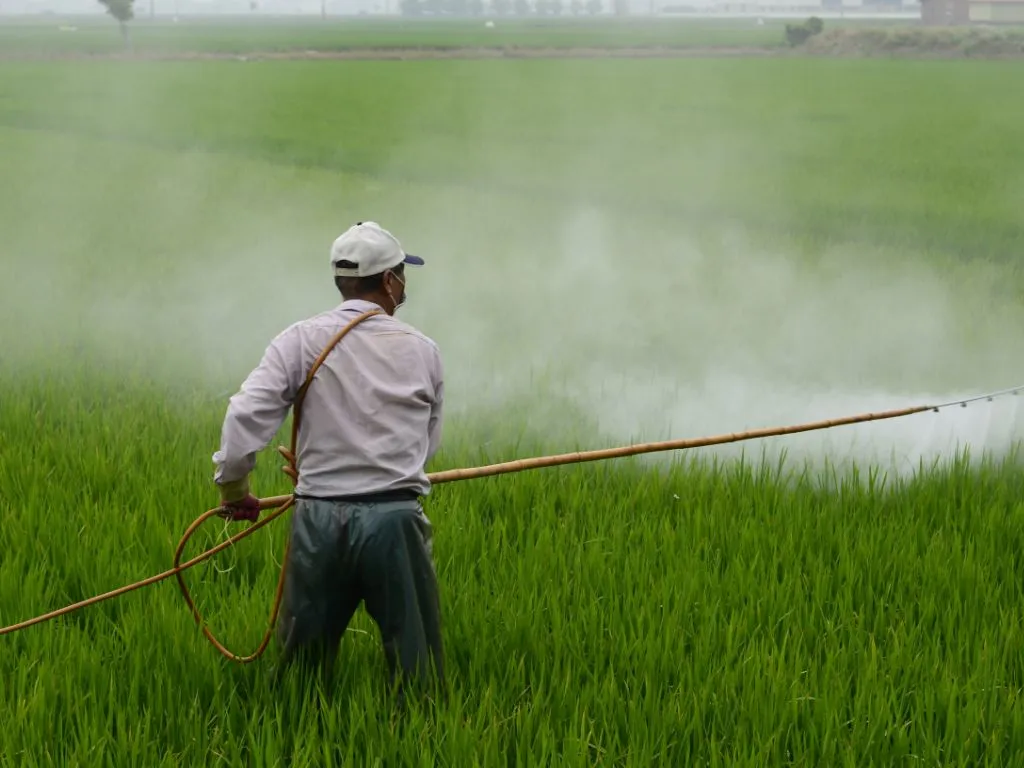
The APVMA has introduced additional worker protection measures, including requirements for enclosed mixing and loading systems for certain large-scale applications. Backpack spraying has been further restricted due to concerns about worker exposure, and updated personal protective equipment (PPE) requirements include the use of respirators for certain applications.
Environmental Protection Measures
To reduce spray drift and protect terrestrial and aquatic environments, the APVMA has introduced revised downwind buffer zone requirements for paraquat products.
Agricultural Withholding Updates
The review also updates withholding periods for certain uses. For spray-topping applications in pulse crops (such as chickpeas, field peas, lentils, and faba beans), the withholding period has been increased from seven to fourteen days, as the previous interval was not supported by sufficient residue data, according to the APVMA.