


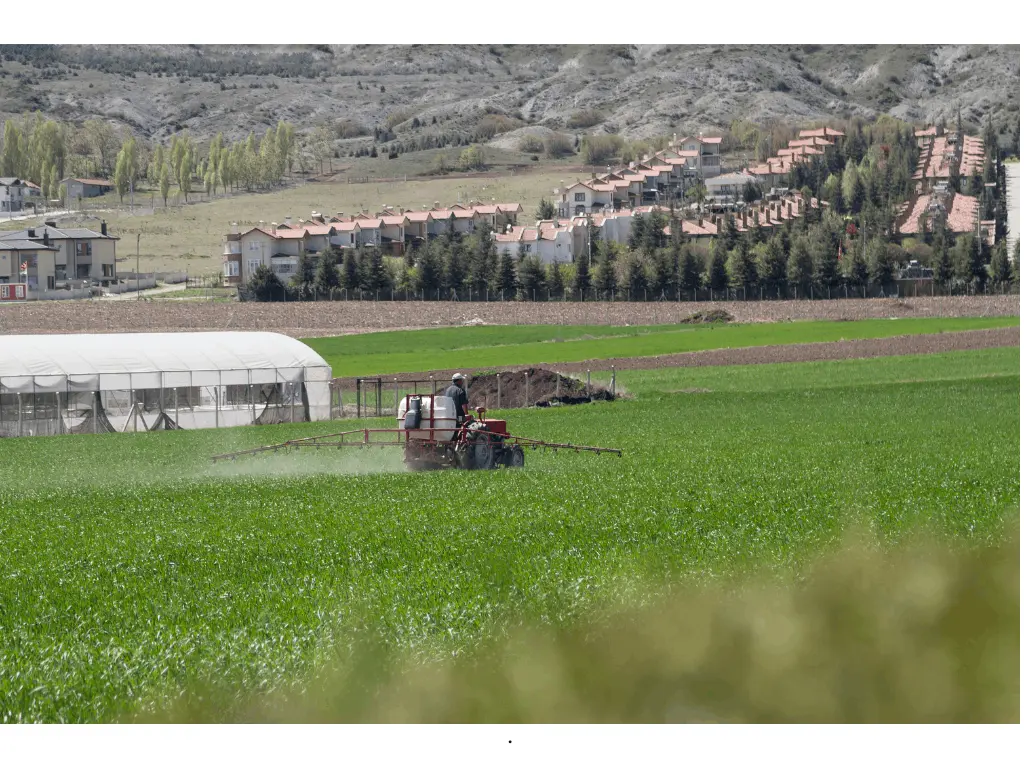
Reference source : President of Mexico
Mexico has amended its rules for pesticides, plant nutrients, and toxic or hazardous substances, introducing a new regulatory category for “new agricultural chemical products” and creating a 10-year protection period for safety and efficacy data submitted in support of their registration.
The decree was published in the Diario Oficial de la Federación on 24 April 2026 and reforms the Regulation on Registrations, Import and Export Authorisations, and Export Certificates for Pesticides, Plant Nutrients, and Toxic or Hazardous Substances.
The key change is the new definition of a “new agricultural chemical product”: a pesticide or plant nutrient containing an active ingredient that has not previously been used in a registered pesticide or plant nutrient in Mexico. This targets products introducing new active ingredients into the Mexican market.
The reform also updates registration requirements. Applicants must submit the usual administrative and technical documentation, including the application form, legal representation documents, technical data, payment of fees, and the relevant sanitary licence or operating notice. However, they must now also provide express consent from the owner of protected safety and efficacy data if their application relies on that information. If the product is covered by a valid Mexican patent, applicants must also submit proof of patent ownership or a registered exploitation licence.
The most important addition is Article 13 Bis, which protects data relating to the safety and efficacy of a new agricultural chemical product. This includes physicochemical, formulation, toxicological, ecotoxicological and environmental fate information. COFEPRIS may not allow third parties to obtain registration for the same or a similar product by relying on that protected data, or on the previous sanitary registration, for 10 years from the first Mexican registration unless the data owner gives express consent.
This protection also applies where the Mexican registration was based fully or partly on a foreign marketing authorisation. For innovator companies, the reform creates a clearer period of regulatory data protection. For generic or follow-on applicants, it may create additional hurdles unless they generate their own data or obtain permission from the original data owner.
The decree also requires COFEPRIS to publish databases of granted registrations and pending applications on its website, updated at least every 30 calendar days. This should improve transparency around approved products and applications under review.
The reform further clarifies how registration dossiers must be organised, dividing information into sections covering administrative documents, identity and composition, technical and analytical data, toxicology, maximum residue limits, labelling, ecotoxicology, environmental fate and biological effectiveness.
Registration extensions will now be valid for 10 years from issuance, although COFEPRIS may review them at any time under the General Health Law.
The decree enters into force the day after publication. Applications already in process will continue under the rules in force when they were submitted. The Ministry of Health has 180 calendar days to make the necessary administrative and regulatory adjustments.