

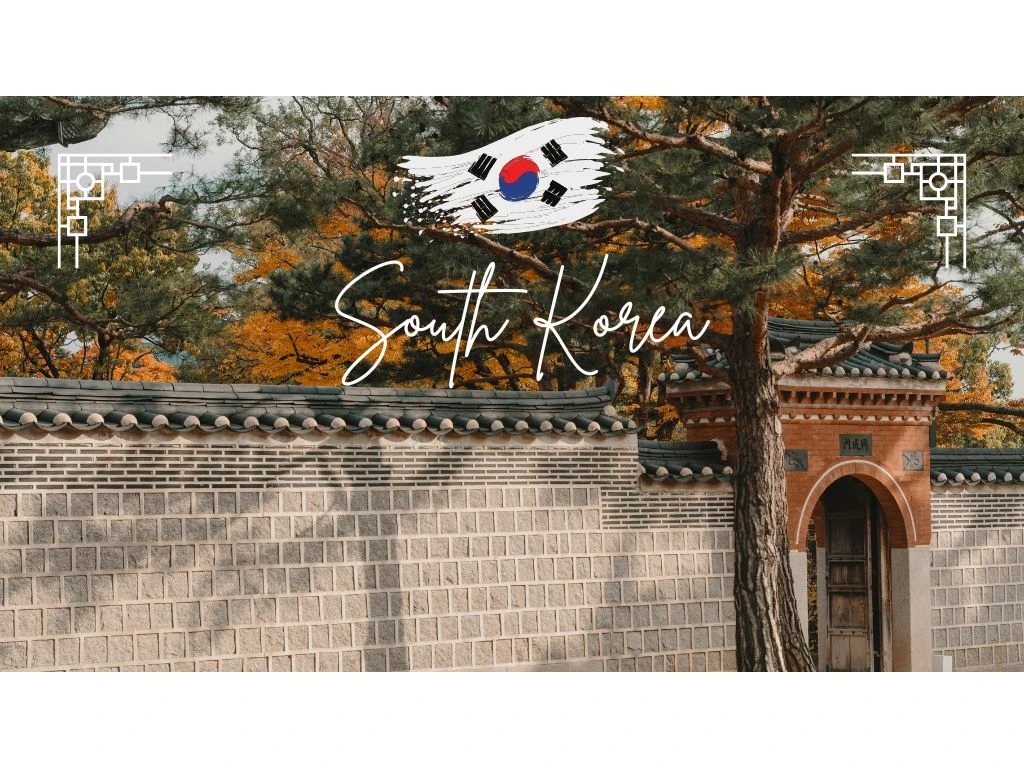
K-REACH Regulatory Update: MSDS Requirements for Hazard-Unknown Substances and Toxic Substance Reclassification
Reference source : Korea MSDS System
Companies supplying chemicals in Korea must ensure that updated Material Safety Data Sheets (MSDS) regulatory information is provided to downstream users by July 1, 2026.
This upcoming compliance deadline follows amendments to the Act on the Registration and Evaluation of Chemicals (K-REACH), which came into effect on August 7, 2025 and introduced new requirements for MSDS preparation and chemical hazard communication requirements in Korea.
The amendment introduces the concept of “Hazard-Unknown Substances”, requiring additional hazard-related information to be communicated when such substances are included in products. In addition, the previous toxic substance classification system has been restructured, dividing the former “toxic substances” category into more specific hazard groups.
Companies manufacturing, importing, or supplying chemicals in Korea should review their MSDS regulatory information, particularly Section 15 (Regulatory Information), and ensure that updated information is communicated throughout the supply chain by the compliance deadline.
1. Introduction of Hazard-Unknown Substances
Under the amended K-REACH provisions, Hazard-Unknown Substances refer to chemical substances for which certain hazard endpoints have not yet been confirmed. To enhance transparency and risk communication within the chemical supply chain, suppliers must provide additional hazard-related information when transferring or supplying products containing such substances to downstream users.
Scope of Application
The requirements apply to:
-
Chemical substances notified to the Ministry of Environment under K-REACH after August 7, 2025.
-
Substances or mixtures classified as Hazard-Unknown Substances.
-
Products requiring MSDS preparation and distribution.
2. MSDS Requirement: Section 15 (Regulatory Information)
A key regulatory implication of the amendment is the update required for Section 15 (Regulatory Information). When a product contains a Hazard-Unknown Substance, the MSDS must clearly include the following:
- Identification of the Hazard-Unknown Substance
- Description of unconfirmed hazard endpoints
- Recommended handling precautions
Examples of hazard endpoints that may remain unconfirmed include:
- Acute toxicity (oral or inhalation)
- Mutagenicity tests (e.g., reverse mutation tests)
- Aquatic toxicity (fish, daphnia, algae)
- Biodegradability
In addition, suppliers may recommend referring to safe-use guidance issued by the National Institute of Chemical Safety (NICS) to ensure safe handling of these substances.
3. Changes to Toxic Substance Classification
The amendment also introduces a revised classification framework for toxic substances under Korean chemical regulations. Previously categorized broadly as Toxic Substances, the updated system now divides these substances into more specific hazard groups:
- Human Acute Toxic Substances
- Human Chronic Toxic Substances
- Ecotoxic Substances
These classifications are defined in the Ministry of Environment’s designation notice on hazardous substances affecting human health and ecosystems.
4. Compliance Timeline
|
Key Date |
Requirement |
|
August 7, 2025 |
Regulatory amendment entered into force |
|
July 1, 2026 |
Deadline to provide updated MSDS regulatory information to downstream users |
Although existing MSDS formats may continue to be used during the transition period, companies must ensure that updated regulatory information reflecting the new classification system is communicated to downstream users by July 1, 2026. From this date onwards, MSDS provided to downstream users in Korea must reflect the updated regulatory information reflecting the revised toxic substance classification and Hazard-Unknown Substance requirements.
Key Takeaways
-
Hazard-Unknown Substances have been newly introduced under K-REACH.
-
MSDS Section 15 (Regulatory Information) is the key section affected by the amendment.
-
Toxic substances are now subdivided into human acute, human chronic, and ecotoxic categories.
-
From July 1, 2026, onwards, MSDSs distributed in Korea must reflect the updated regulatory requirements.
Related News

China Consults on GHS Rev. 11-Aligned GB Standards
Read More
EU Notifies WTO of Major CLP Update to Implement GHS Revisions 8–10
Read More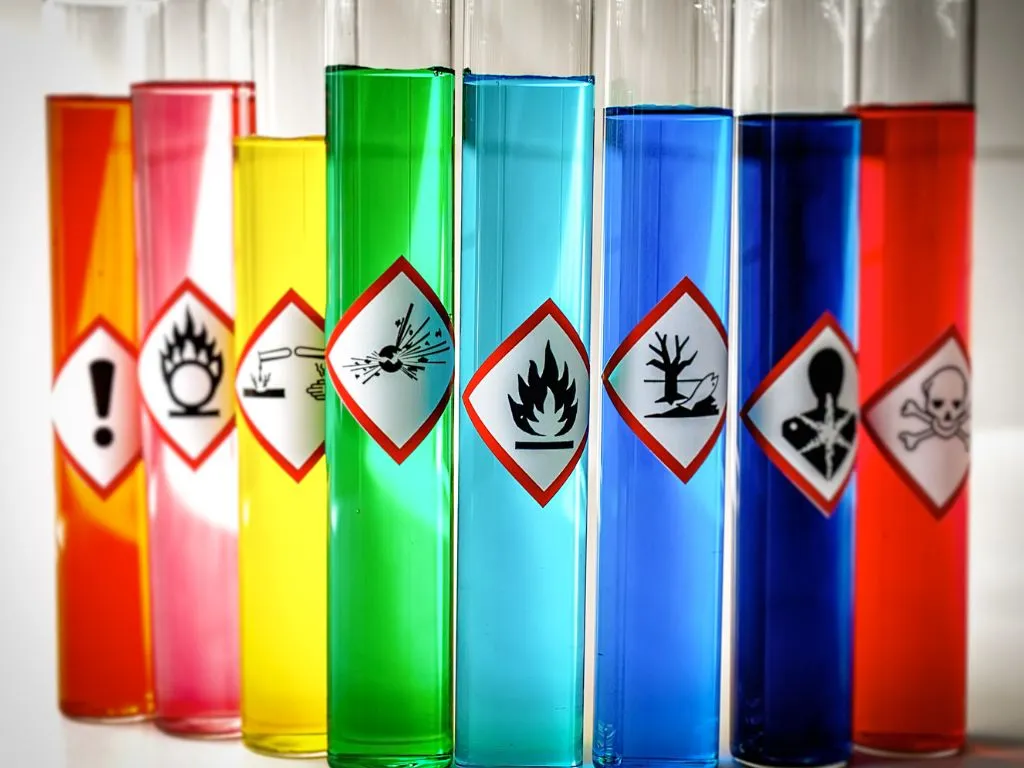
Japan publishes FY 2025 GHS Classification Results for 142 Chemicals
Read More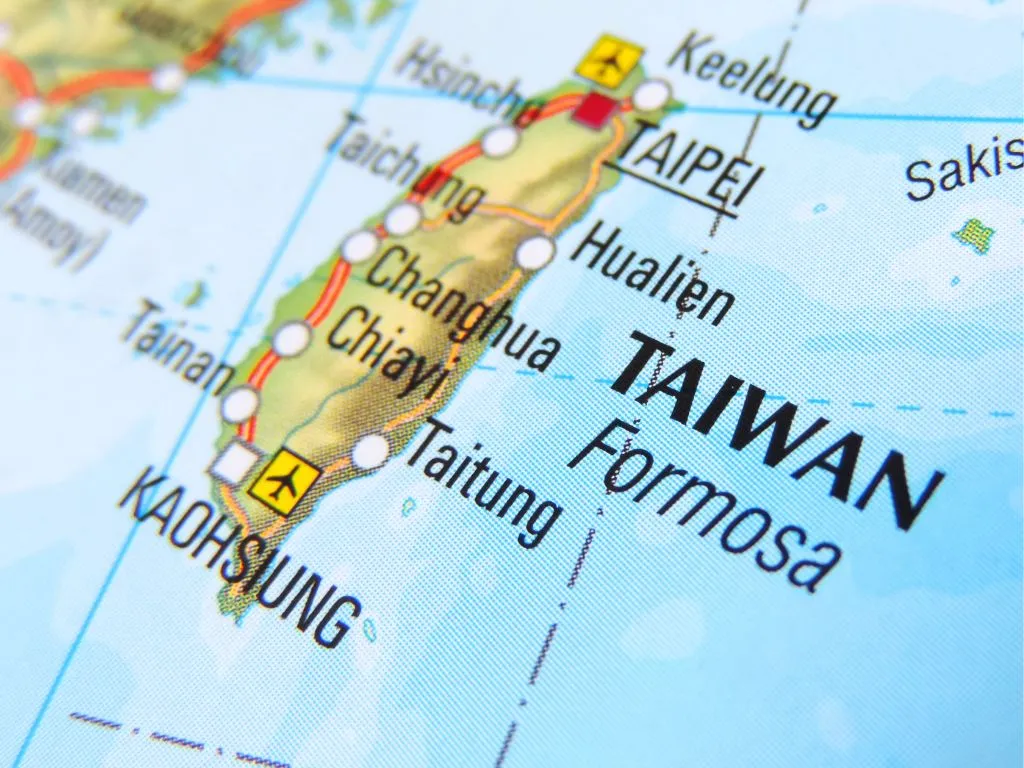
Taiwan Consults on GHS Revision 8 Amendments to Hazard Communication Rules (Updated)
Read More.webp)