


Reference source : World Trade Organization (WTO)
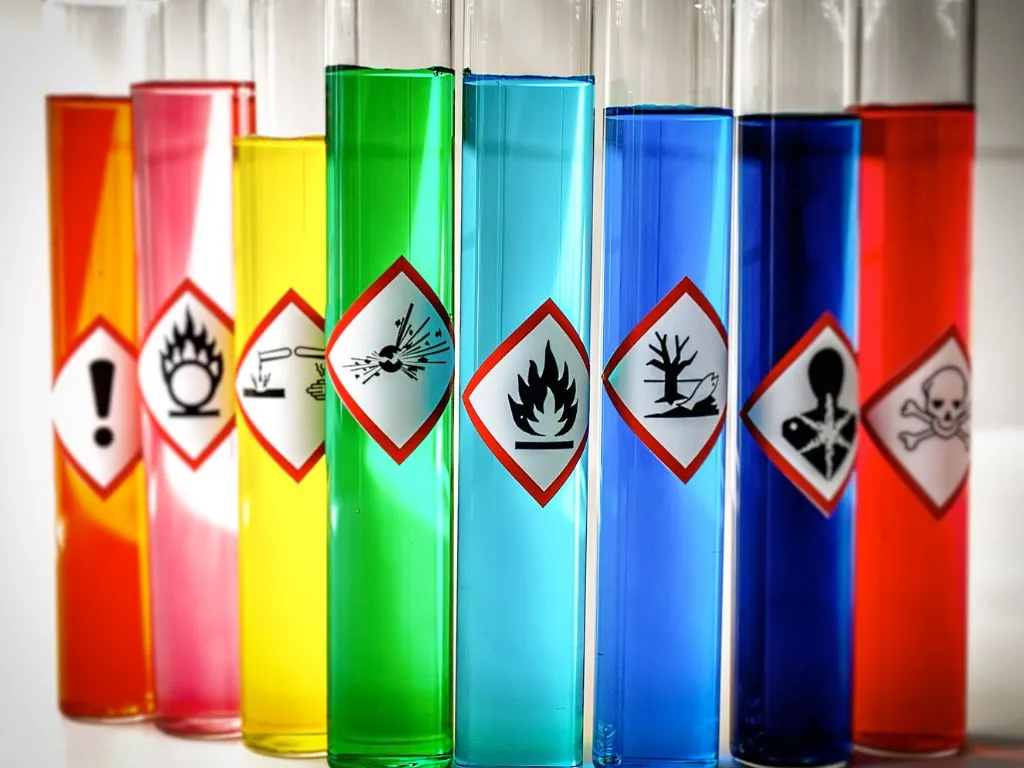
On 17 December 2025, in accordance with the tenth revised edition of the Globally Harmonized System of Classification and Labelling of Chemicals (GHS 10), Yemen along with the each Gulf Cooperation Council (GCC) state (except Saudi Arabia) notified the World Trade Organization (WTO) of a final draft standard, GSO/TC01/FDS/ GSO2654:2025. The GCC Standardization Organization (GSO) Technical Committee No. GSO/TC01 prepared the draft. The goal of this GSO draft is to ensure that hazardous chemicals are manufactured, transported, handled, used, and disposed of safely in accordance with GHS regulations.
Yemen has also notified the WTO of this proposed standard, together with the GCC states (United Arab Emirates (UAE), Kingdom of Bahrain, State of Kuwait, Oman, and State of Qatar). This technical regulation does not apply to the Kingdom of Saudi Arabia since it conflicts with a national legislation.
Overview and Scope
Comprehensive criteria for categorizing chemicals and mixtures based on their physical, environmental, and health hazards are established by GSO Standard GSO2654:2025. It also covers aspects of hazard communication, including as labelling and Safety Data Sheet (SDS) standards.
All substances and mixtures supplied, used, and/or manufactured in Gulf Standardization Organization (GSO) Member Countries are subject to this technical standard, unless separate GSO Member Country legislation specifies more precise guidelines for classification and labelling. However, the following are not subject to this requirement:
2024: Previous GCC Draft Standard
On 21 May 2024, the Gulf Cooperation Council (GCC) notified the World Trade Organization (WTO) of the second draft standard GSO 2654:2023 for the implementation of GHS 7. More details can be found here.
Key Insights from the Final Draft Standard
1. Safety Data Sheets (SDS) Compliance:
SDS must be in English (and Arabic if available). SDS needs to be updated within 18 months whenever new information becomes available while reviewed once for every 3 years.
2. Labelling Compliance:
Labels must be bilingual i.e. Arabic and English. Single label can provide information in both languages. Labels need to be revised as soon as possible whenever new information is available.
3. Hazard Classification:
Substances and Mixtures are classified as per physical, health and environmental hazards which should align with the provisions of GHS 10.
4. International Alignment:
This final draft aligns with international standards such as the Classification, Labelling and Packaging (CLP) Regulation i.e. 9th Adaptation to Technical Progress to CLP (ATP) and GHS, facilitating global trade and improving chemical safety management in the GCC region.
Target Audience
This standard applies to the consumers, workers, transport workers, and emergency responders using chemicals in and/or supplying chemicals into a Gulf Standardization Organization (GSO) Member Countries.
Comment Period and Enforcement Dates
Interested stakeholders are allowed to submit comments on the final draft by 15 February 2026. The dates for both adoption and entry into force are yet to be decided.
If you want to access the GHS report, please Register here in GPC Intelligence Portal click here