


Regulatory briefing
The European Union has developed and evolved its chemical inventory systems over time. Historically, the EU used the European Community (EC) Inventory, which consists of three lists: the European Inventory of Existing Commercial Chemical Substances (EINECS), the European List of Notified Chemicals Substances (ELINCS), and the No-Longer Polymers (NLP) list.
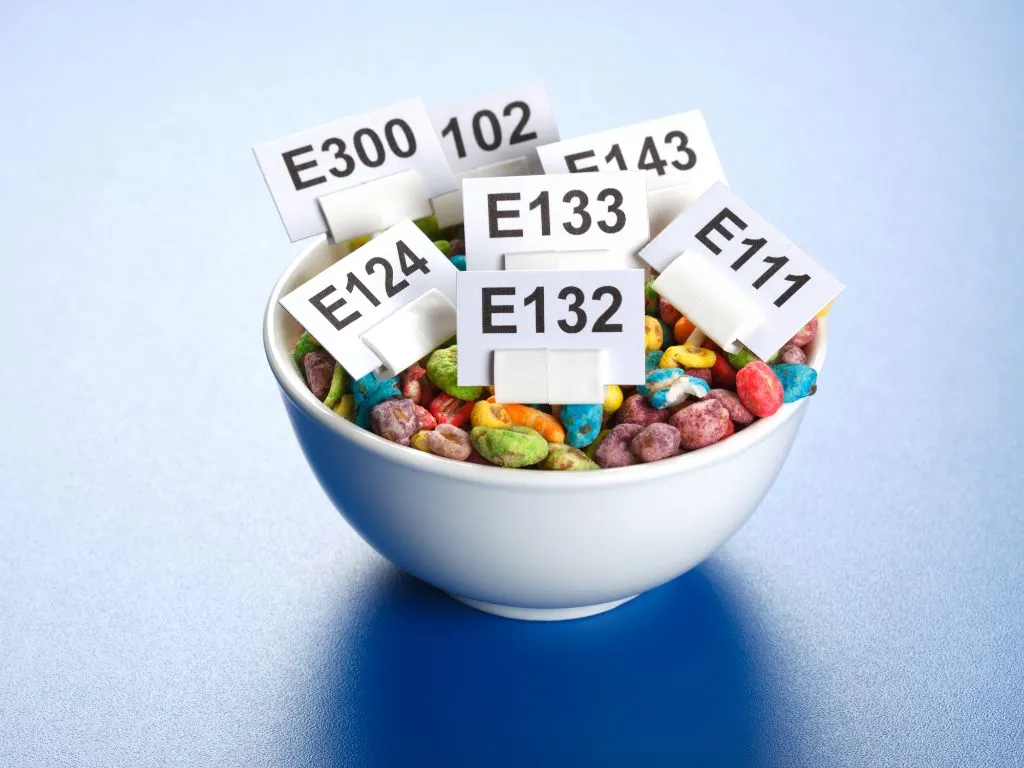
EFSA Calls for Data for Re-Evaluation of Fumaric and Succinic Acids as Food Additives
On 2 July 2024, the European Food Safety Authority (EFSA) issued a call for data to support the re-evaluation of fumaric acid (E 297) and succinic acid (E 363) as food...
Read More
Release of QSAR Toolbox 4.7: Major Update with Enhanced Functionality
The latest version of the QSAR Toolbox, version 4.7, was released on 12 July 2024. The QSAR Toolbox is a freely available software developed by the European Chemicals Agency (ECHA) and...
Read MoreKey European Union Chemical Regulations
European Union Compliance FAQs
What mixture are in scope?
You need to submit information on mixtures classified for any health or physical hazard and falling under the scope of the CLP Regulation. Therefore the obligations do not apply to substances.
How are cosmetics regulated in Europe?
The European Union's Cosmetics Directive regulation requires that cosmetics products placed on the EU market be safe; that is, they "must not cause damage to human health when applied under normal or reasonably foreseeab...
Which products are considered cosmetics in the EU?
EU cosmetics regulation 1223/2009 provides a definition of the cosmetic products in the EU: “‘cosmetic product’ means any substance or mixture intended to be placed in contact with the external parts of the human body (e...
Does the requirement apply to perfumery products and to soaps?
Yes, the requirement applies to all cosmetics as defined under Article 2 of the Cosmetics Regulation.
Content
Downloadable Content
- SCIP Actionable Summary
- PCN Actionable Summary
- ROHS Actionable Summary
- EU Cosmetics Actionable Summary
- Agrochemical Regulation Actionable Summary
- Bio Pesticides Regulation Actionable Summary
- Food Contact Material Actionable Summary
- Nanomaterial Regulation Actionable Summary
- Medical Device Regulation Actionable Summary
- Cosmetics Actionable Summary
- Medical Device Regulation EU 2017/745
- Regulation Ec No 1223/ 2009 Of EU On Cosmetic Products
- Regulation Ec No 1107/2009 On Plant Protection Products
- Regulation Ec No 1935/2004 On FCM
- Regulation Ec No 1907/2006 On EU REACH
- Annual Regulatory Summary 2022 - EU
- Actionable Summary EU REACH
